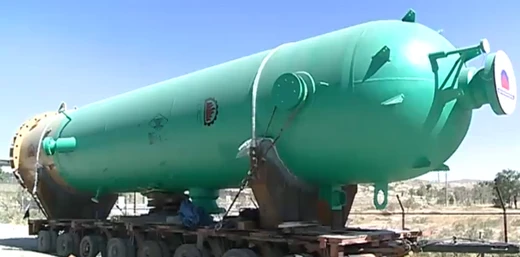
Corrosion
Natural process converting refined metals into stable oxides.

Engr Hafiza Maida · CC BY-SA 4.0
Corrosion is a natural process that converts a refined metal into a more chemically stable oxide, involving the gradual deterioration of materials by chemical or electrochemical reaction with their environment. Corrosion engineering is the field dedicated to controlling and preventing this process, which degrades useful properties of materials and structures.
- field
- Materials science, corrosion engineering
- known_for
- Electrochemical oxidation of metals, rusting, galvanic corrosion, passivation
- key_concept
- Galvanic series
- common_example
- Rusting of iron
Lore & Background
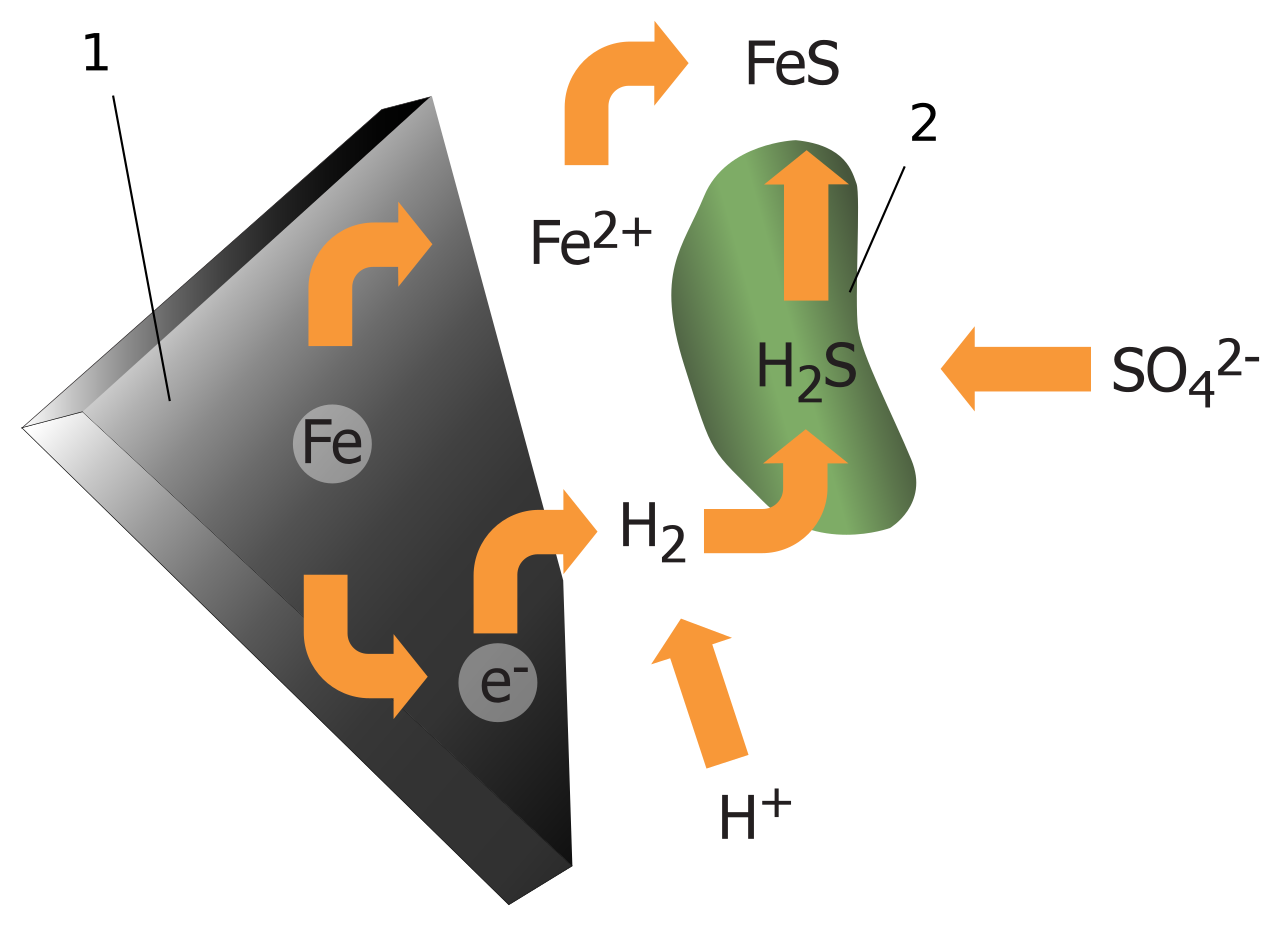
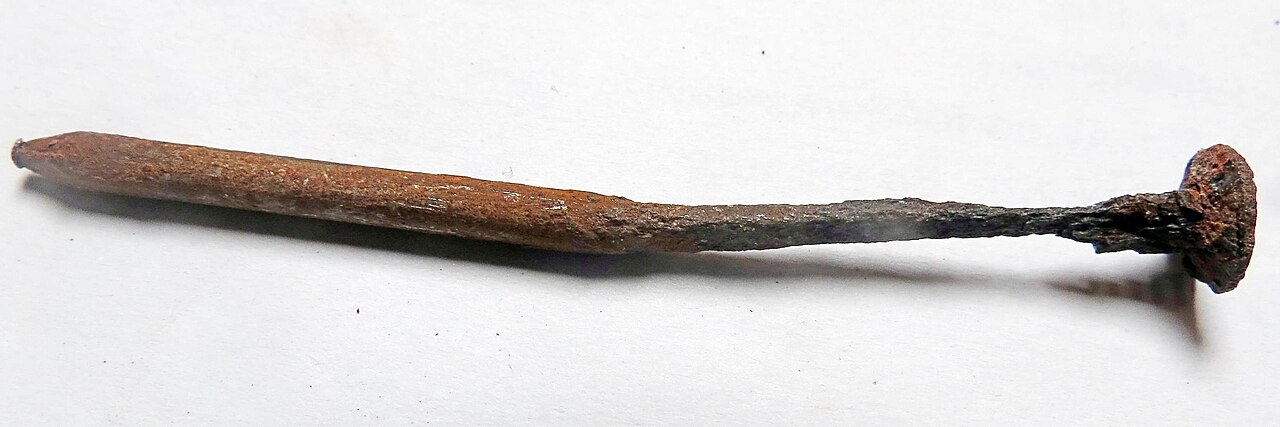
Corrosion is most commonly understood as the electrochemical oxidation of a metal reacting with an oxidant such as oxygen or hydrated protons in aqueous solution. Rusting, the formation of red-orange iron oxides, is a familiar example. During corrosion, an anodic spot on an iron surface releases electrons that travel through the metal to a cathodic spot, where oxygen is reduced in the presence of hydrogen ions from carbonic acid formed by atmospheric carbon dioxide and water vapor.
Reader's Guide
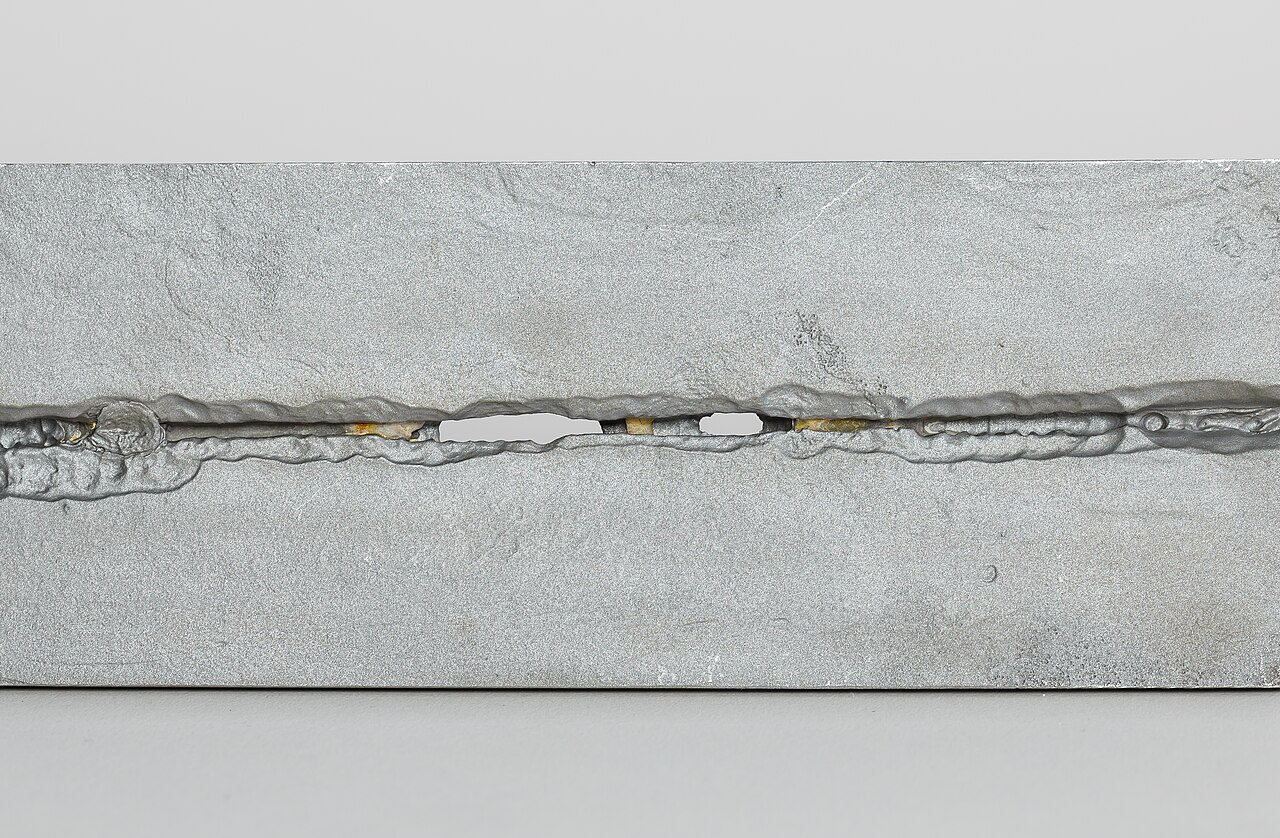
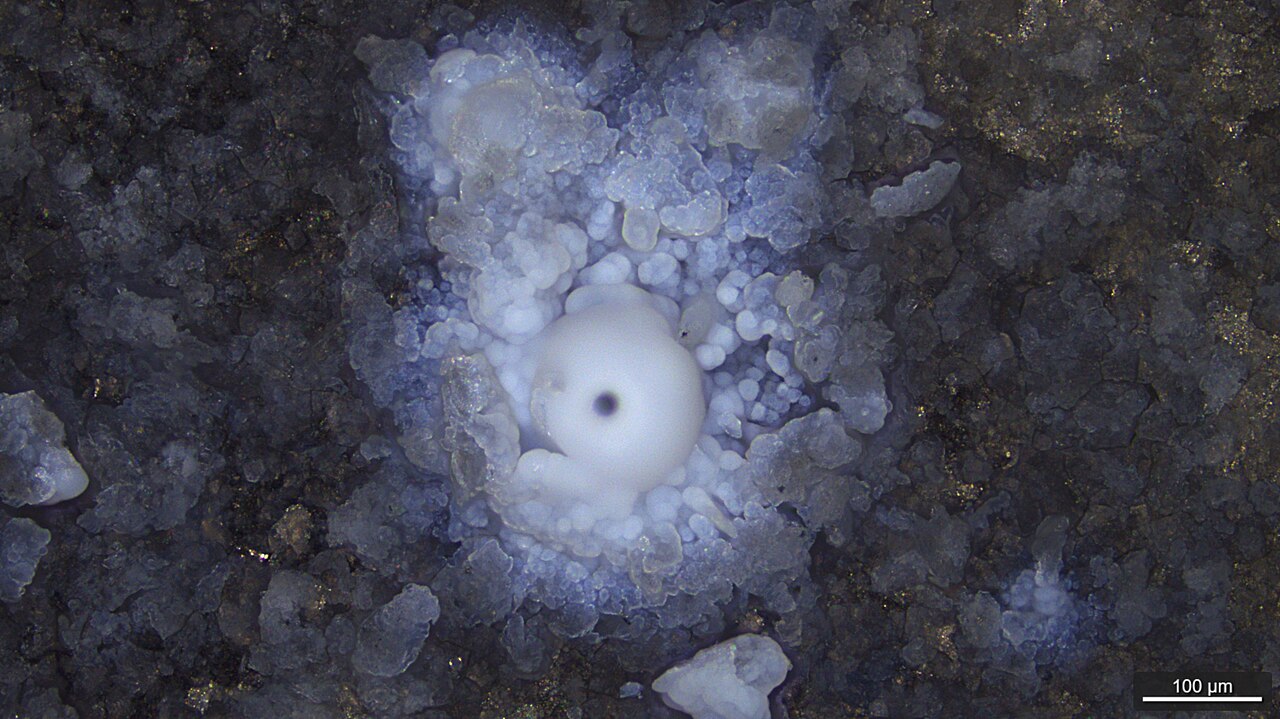
Galvanic corrosion occurs when two different metals have electrical contact in a common electrolyte, causing the more active metal (anode) to corrode faster. The galvanic series predicts which metal will be more noble or active in a given environment. Passivation is the spontaneous formation of an ultrathin passive film on metals like aluminum and stainless steel, acting as a barrier to further oxidation. However, if the passive film breaks down, pitting corrosion, crevice corrosion, or stress corrosion cracking can occur. Corrosion removal methods include chemical treatments like phosphoric acid (naval jelly) for rust, distinct from electropolishing which removes underlying metal.
Did You Know?
- Corrosion can occur in ceramics or polymers, though the term 'degradation' is more common for those materials.
- Galvanic corrosion is of major interest to the marine industry and anywhere water containing salts contacts pipes or metal structures.
- Zinc is often used as a sacrificial anode for steel structures to prevent galvanic corrosion.
- Passivation in natural environments such as air, water, and soil at moderate pH is seen in materials like aluminum, stainless steel, titanium, and silicon.
Gallery
Frequently Asked Questions
What is Corrosion in the context of chemical processes?
Corrosion is the slow chemical or electrochemical breakdown of a metal as it reacts with its surroundings, ultimately reverting a processed metal back into a more thermodynamically stable oxide. Think of it as nature's way of undoing the refinement that turned an ore into a usable material.
What are the main mechanisms of Corrosion fans should know?
The key mechanisms include uniform surface oxidation (the classic rusting of iron), galvanic corrosion where two dissimilar metals create a voltage-driven attack on the more active one, and passivation breakdown where a protective oxide film fails. Each operates through slightly different electrochemical pathways but all result in progressive material loss.
What is the Galvanic Series and why is it a key concept?
The Galvanic Series ranks metals by their electrochemical potential, revealing which pairings will drive preferential attack on the more active metal when they are electrically connected in an electrolyte. Engineers rely on this ranking to predict and avoid harmful metal combinations in reactor and piping designs.
Why is Corrosion a central concern in chemical reactor design?
Reactors subject metals to aggressive chemicals, elevated temperatures, and pressure cycling that accelerate electrochemical attack far beyond what ambient conditions would produce. If left unmanaged, corrosion can compromise structural integrity, contaminate product streams, and create serious safety hazards.
How does Corrosion Engineering prevent material degradation?
Corrosion engineering applies strategies such as selecting compatible alloys, applying protective coatings, installing cathodic protection systems, and designing for proper fluid flow to avoid localized attack. The overarching goal is to manage the electrochemical environment so the metal stays stable over its full service life.
More in Chemical Reactors And Processes 1-24
Elsewhere in the Chemical Reactors And Processes universe
Spotted an error? Know more?
This is a living reference — every entry is fact-audited, and reader corrections feed straight into our audit queue. Suggest an edit · See this site's audit record