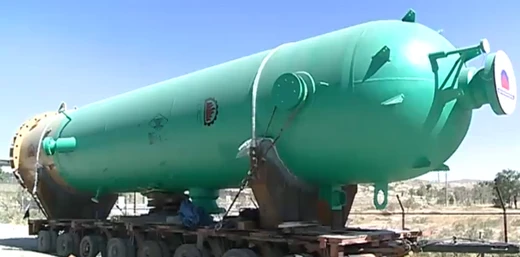
Continuous distillation
Continuous distillation separates mixtures without interruption in large industrial columns.

valeg96 · Public domain
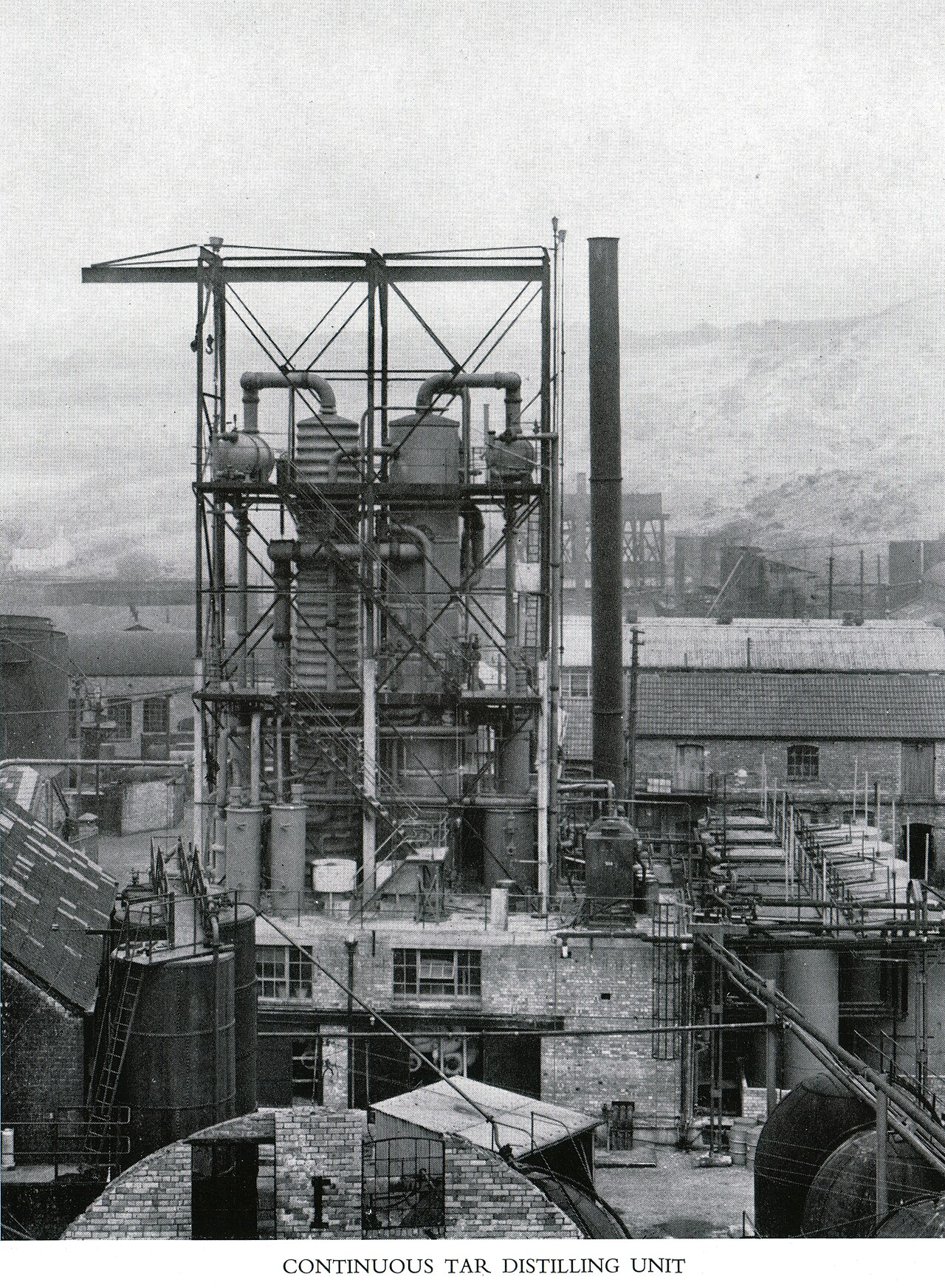
Continuous distillation is a form of distillation in which a mixture is continuously fed into the process and separated fractions are removed simultaneously as output streams. It is widely used in large-scale industrial processes, particularly in petroleum refineries, where crude oil is separated into fractions of similar boiling points.
- field
- Chemical engineering, food engineering
- known_for
- Continuous separation of liquid mixtures into fractions via boiling and condensation
- industrial_scale
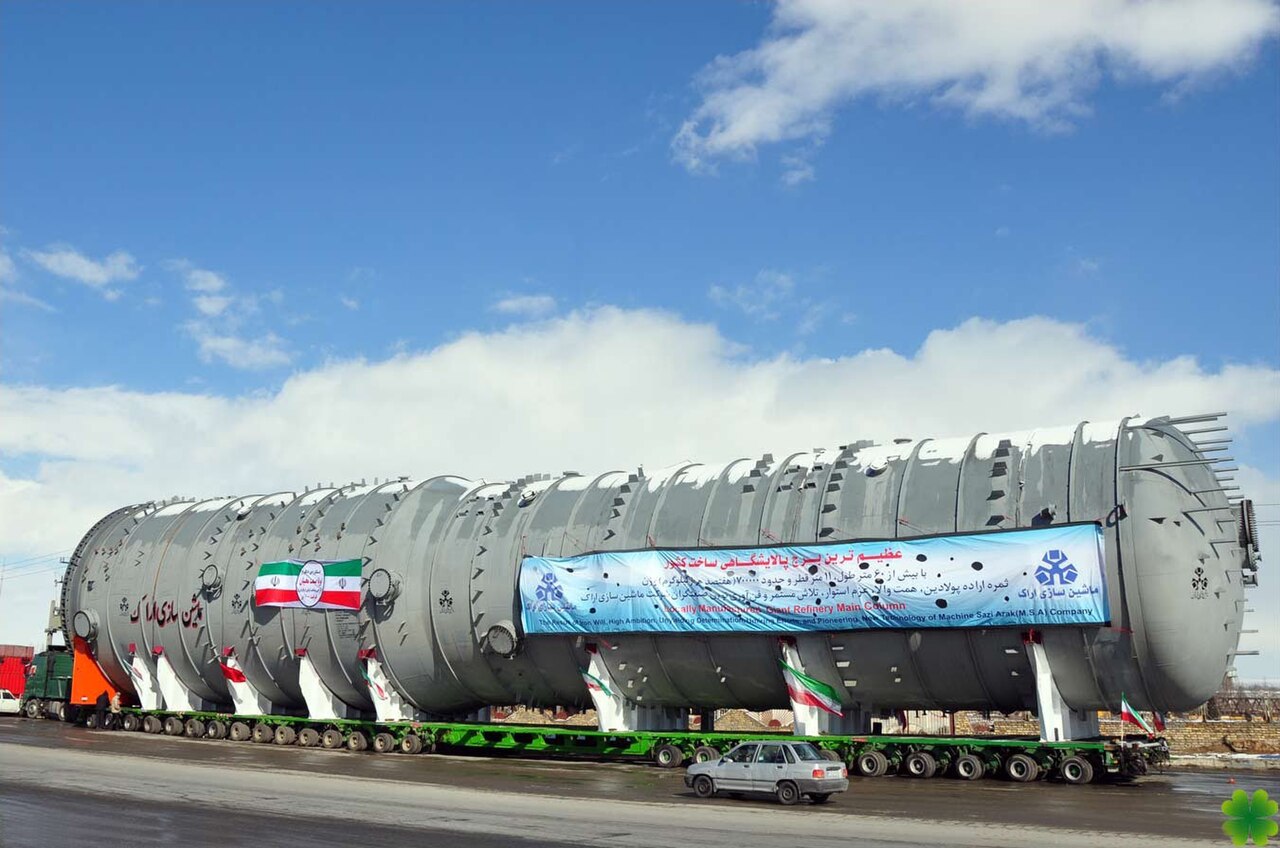
- Columns from 65 cm to 11 m diameter, 6 m to 60+ m height
- key_industries
- Petroleum refining, natural gas processing, petrochemical production, liquor production, cannabinoid separation
Lore & Background
Continuous distillation operates under steady state, meaning feed input rate, output stream rates, heating and cooling rates, and compositions at every point remain constant over time unless disturbed. This stability allows product rate and quality to remain constant if feed rate and composition are kept constant. Modern process control methods can return the process to a new steady state after variations occur.
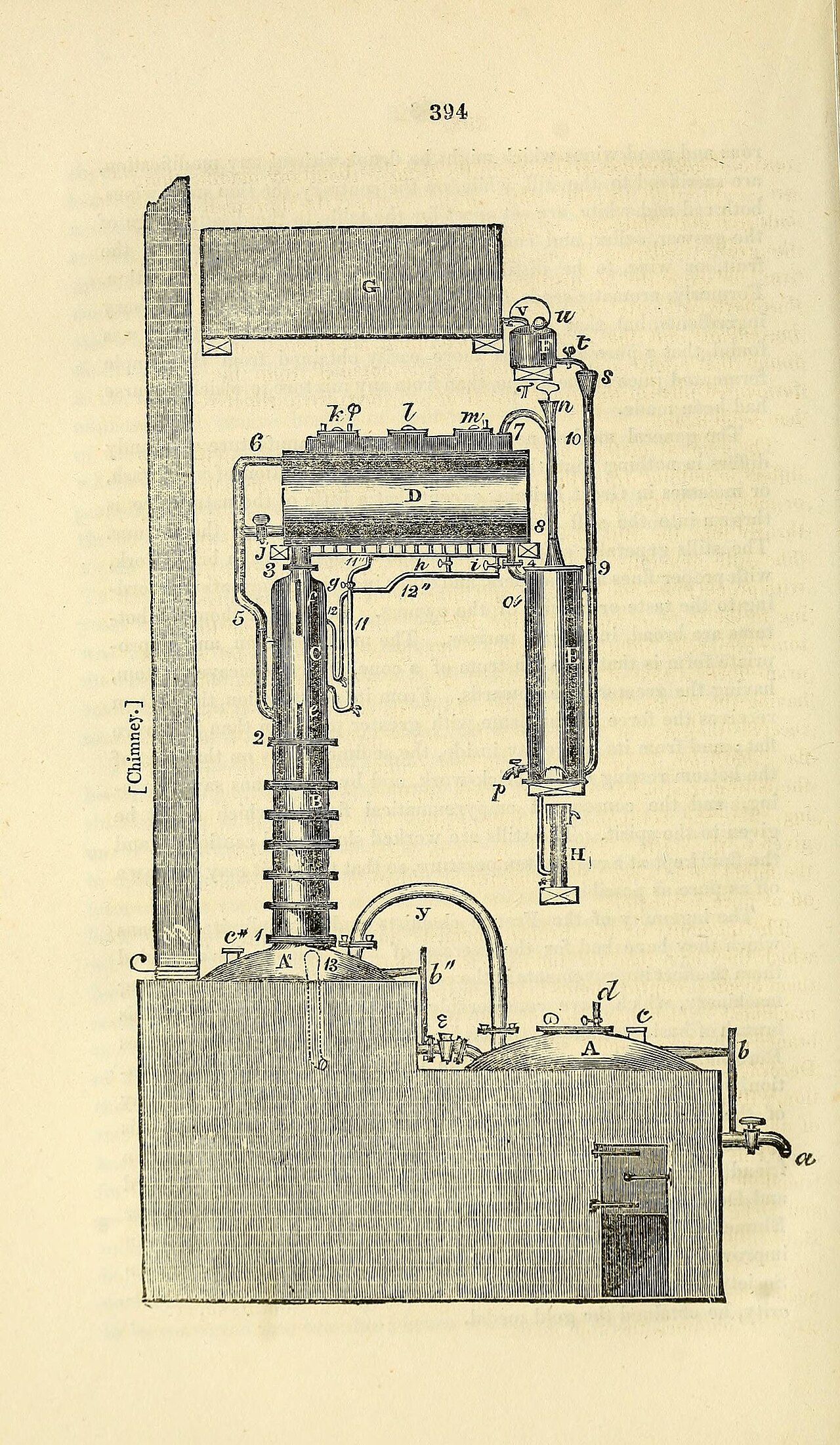
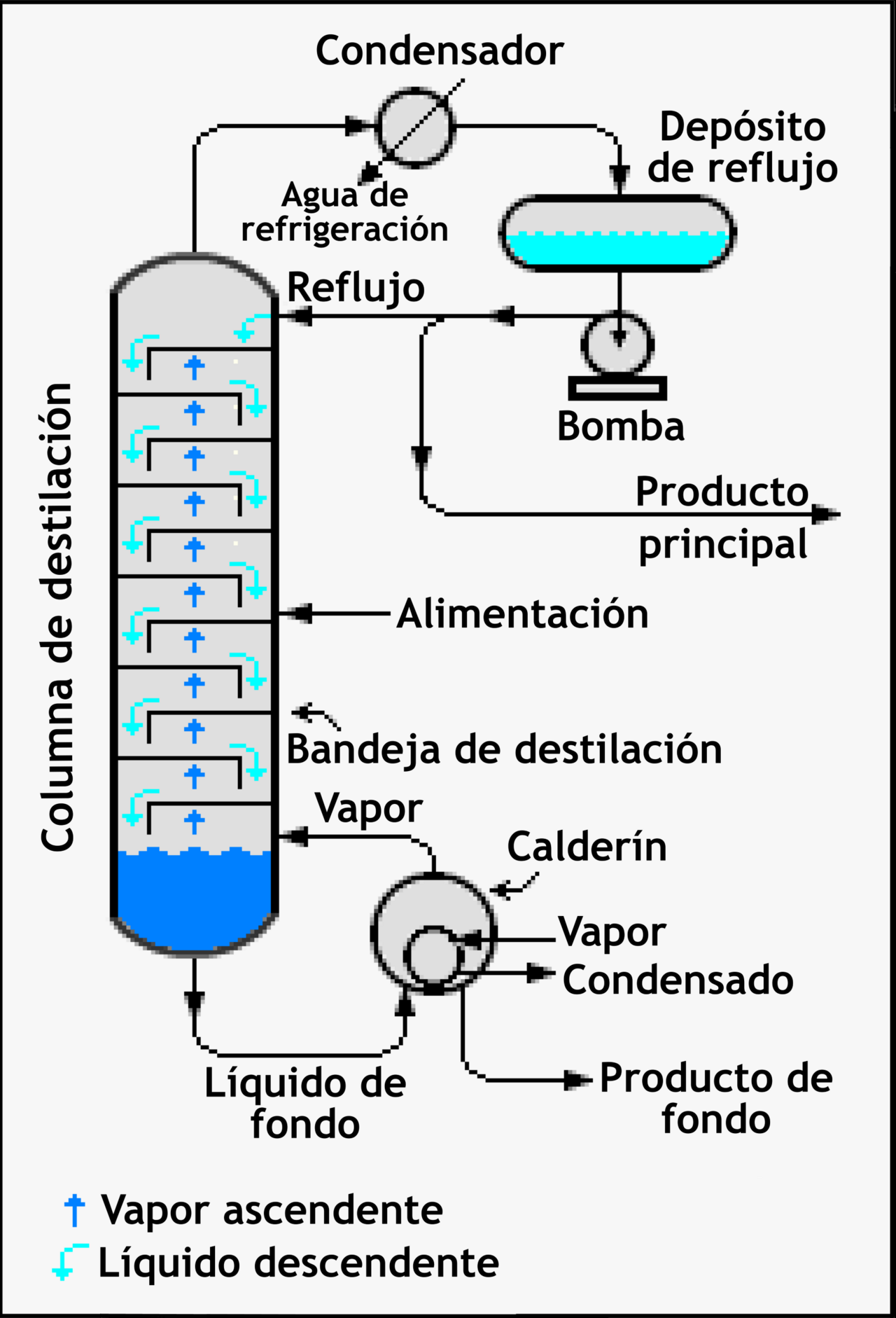
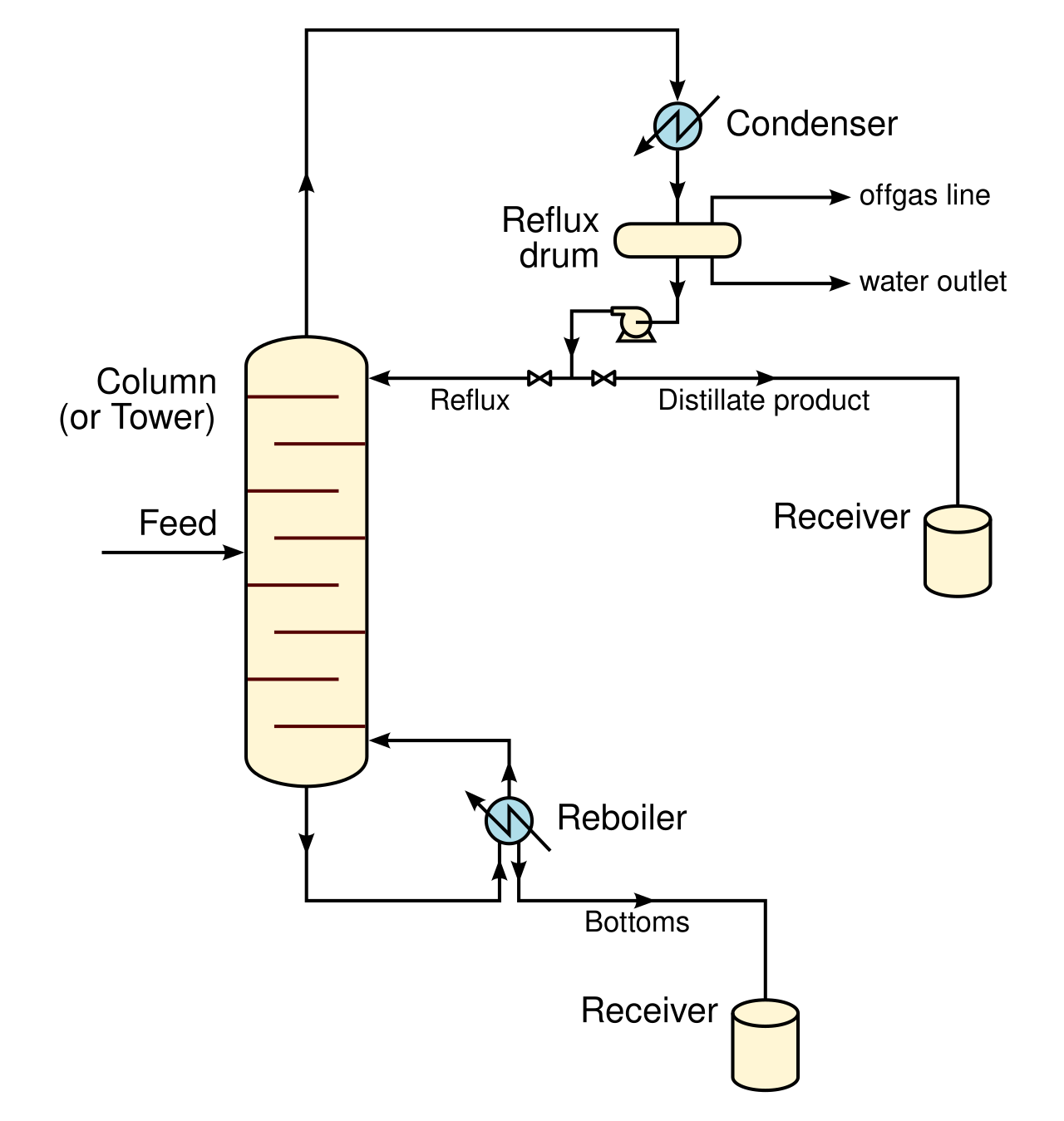
Unlike batch distillation, where the mixture is added at the start and fractions are taken sequentially, continuous distillation requires separate exit points for each fraction, typically located at different heights on a fractionating column. The bottoms fraction is often taken from a reboiler connected to the bottom of the column.
Industrial distillation columns are large, vertical cylindrical vessels, often equipped with horizontal plates or trays, or packed with packing material to improve separation. Heat is added at the bottom via a reboiler, and reflux—recycling some condensed top product liquid—enhances product purity.
Reader's Guide
Continuous distillation is a cornerstone of modern chemical process industries, enabling the efficient separation of large quantities of liquids. Its primary significance lies in its ability to operate continuously, producing consistent product quality with minimal surveillance, as long as feed conditions remain stable. This makes it ideal for high-volume processes such as petroleum refining, where crude oil is separated into fractions like gasoline, kerosene, and diesel. The design and operation of continuous distillation columns rely on analytical methods like the McCabe–Thiele method for binary mixtures and computerized simulation models for multicomponent feeds. The technology's flexibility allows it to be adapted for vacuum distillation or steam distillation, and its scale ranges from laboratory glass units to industrial steel towers over 60 meters tall. Continuous distillation remains essential for producing pure compounds and complex mixtures across numerous industries, from natural gas processing to cannabinoid separation.
Did You Know?
- Continuous distillation columns can have diameters from about 65 centimeters to 11 meters and heights from about 6 meters to 60 meters or more.
- In continuous distillation, each fraction stream is taken simultaneously, requiring a separate exit point for each fraction, often at different heights on a fractionating column.
- The bottoms fraction is often taken from a reboiler connected to the bottom of the column.
- Continuous distillation is used in industries such as natural gas processing, petrochemical production, liquor production, and cannabinoid separation.
Gallery
Frequently Asked Questions
Who is Continuous distillation?
Continuous distillation is a chemical-engineering process that feeds a liquid mixture into a column while simultaneously drawing off separated fraction streams as outputs. Unlike its batch counterpart, it runs without interruption, making it the default choice for high-throughput industrial separation.
What are Continuous distillation's powers/role?
Its signature ability is splitting a multi-component liquid into fractions of similar boiling points through repeated boiling and condensation cycles inside a single column. It handles everything from crude-oil breakdown to natural-gas processing, petrochemical feedstock prep, liquor production, and cannabinoid purification.
How does Continuous distillation's story end?
There is no single dramatic finale; the feed stream is steadily partitioned into overhead and bottom product streams that exit the column in a continuous flow. Once the desired fractions are drawn off, the column simply keeps accepting the next portion of feed and repeating the cycle.
Why is Continuous distillation important?
It is the backbone of petroleum refining, petrochemical manufacturing, and several food-and-beverage industries because it delivers nonstop, large-scale separation that batch methods simply cannot match. Without it, modern fuel production and chemical supply chains would collapse.
Where does Continuous distillation operate?
Its operating range spans columns as small as 65 cm in diameter up to towers exceeding 60 m in height and 11 m in diameter. You will find it in refineries, natural-gas plants, petrochemical complexes, and even commercial liquor distilleries.
More in Chemical Reactors And Processes 25-29
Elsewhere in the Chemical Reactors And Processes universe
Spotted an error? Know more?
This is a living reference — every entry is fact-audited, and reader corrections feed straight into our audit queue. Suggest an edit · See this site's audit record